Training Knowledge · Article
Triathlon Training and Mental Health: My Journey with Anxiety
Precision Coach Shaun Knights shares his journey with anxiety, from returning to running to finishing an Ironman—and finding confidence, connection and balance along the way.
By Shaun Knights · Precision Coach
Anxiety used to stop me wanting to go out. Busy places felt difficult, and socialising was something I often wanted to avoid. I used alcohol to cope with those feelings.
That is part of my story, just as much as becoming a triathlete and a coach.
When people see someone finish an Ironman, they see the finish line, the medal and the achievement. What they cannot necessarily see is what it took for that person to reach the start line. For me, some of the biggest challenges have been managing what is happening in my head.
Triathlon has given me opportunities to discover what I can do while anxiety is still there. That has changed how I approach challenges far beyond sport.
Finding my way back to triathlon
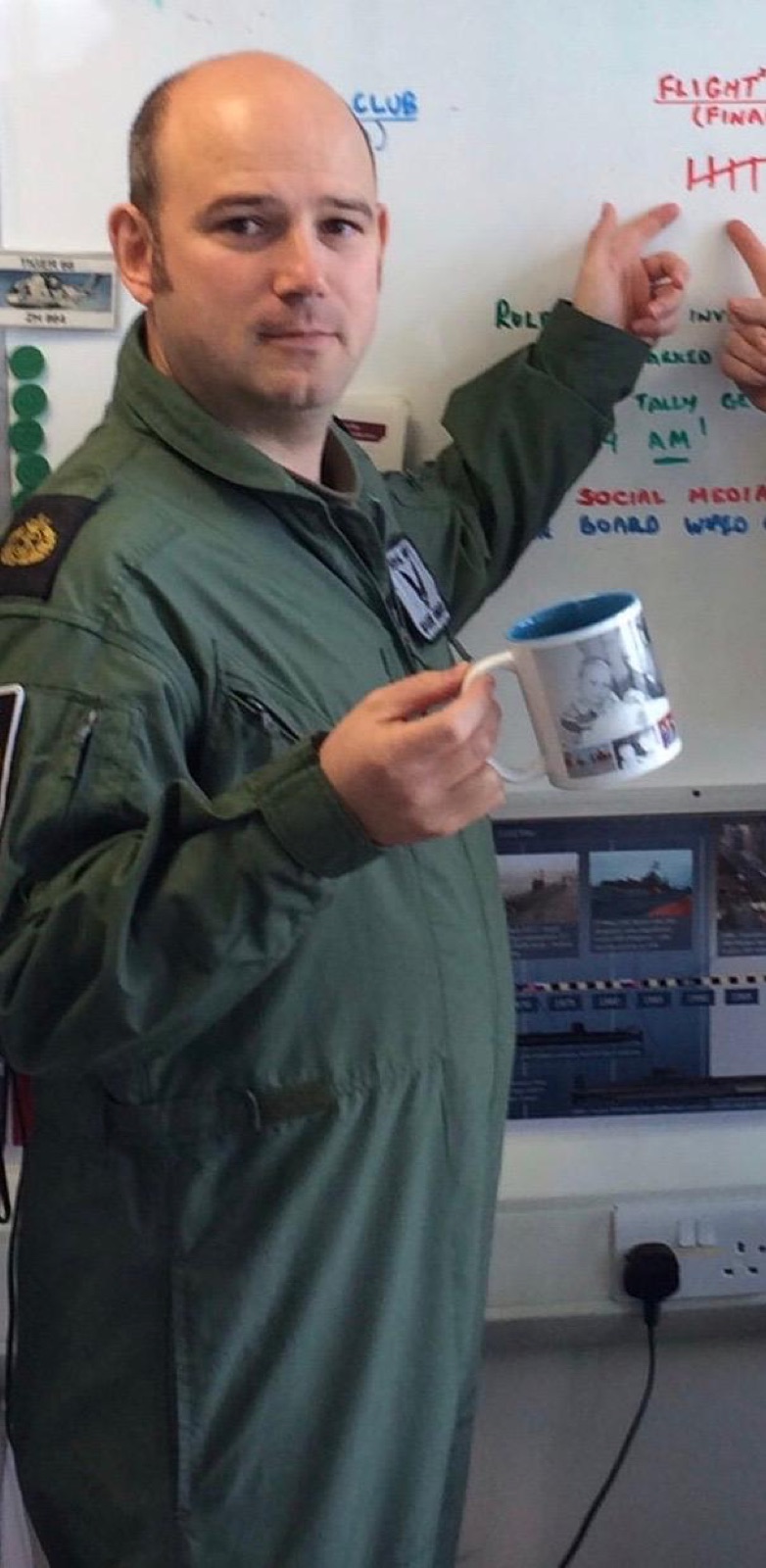
I had completed a triathlon before joining the Royal Navy, but my route back into the sport began with running in 2017. Around 2018, I entered my first triathlon after returning to training.
As I met more people who took part in long-distance events, those distances became something I wanted to explore.
That social connection became part of the journey. Anxiety had made me reluctant to socialise, yet here was a shared interest through which I was meeting people. There was something to talk about, something to work towards and a reason to get involved.
The NHS identifies social connection, improved confidence and reduced stress and anxiety among the potential benefits of being active. These benefits can come from many forms of movement; you do not have to complete a triathlon to experience them. Read the NHS guidance on activity and mental wellbeing ↗.
For me, triathlon became the setting in which I could explore those possibilities.
What finishing an Ironman changed
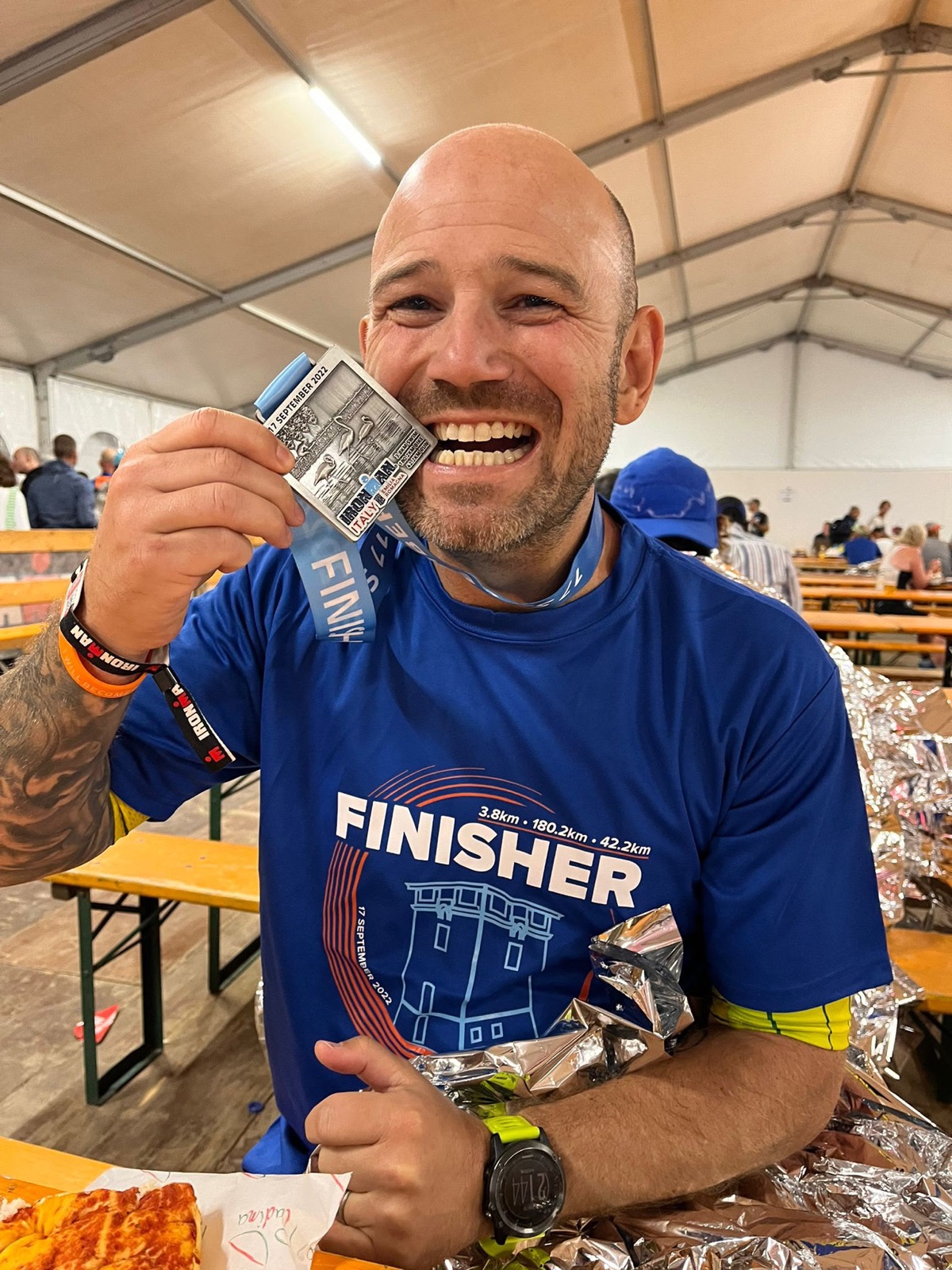
Finishing my first full Ironman was a huge step.
I remember the feeling: if I could do that, then anxiety was not going to stop me from doing other things.
That finish gave me something concrete to draw on. When doubt appeared, I had an experience that challenged it. I had taken on something difficult and reached the other side.
There is a particular kind of confidence that comes from discovering your capabilities through experience. It does not mean every challenge becomes easy. It means you have a reason to question the thought that you cannot cope.
Your version of that moment might be entering a swimming pool, joining a running group or completing your first short event. The distance does not determine how much an achievement matters. Your starting point does.
The swim still challenges me
I want to be honest about this: I still experience anxiety.
The swim is a big one for me. Starting a race and keeping my anxiety at a manageable level can be really difficult. Previous finishes do not automatically make those feelings disappear.
What helps me is routine, familiarity and repeated experience. Having a routine gives me something familiar to follow when my thoughts are unsettled. Practice gives me opportunities to learn how I respond.
That is my experience of managing anxiety within the sport, rather than a treatment plan for anyone else. In swimming especially, building confidence needs to happen in appropriate conditions, with suitable support. Being brave includes recognising when you need help or need to stop.
After an event, race or training session, I sometimes ask myself:
“But did you die?”
It is blunt humour, and it is a personal way of looking back at a situation I found frightening and recognising that I got through it. It is never an instruction to ignore danger, physical symptoms or water safety.
The useful question underneath it is: What did that experience teach me about what I can manage?
Progress includes the difficult days
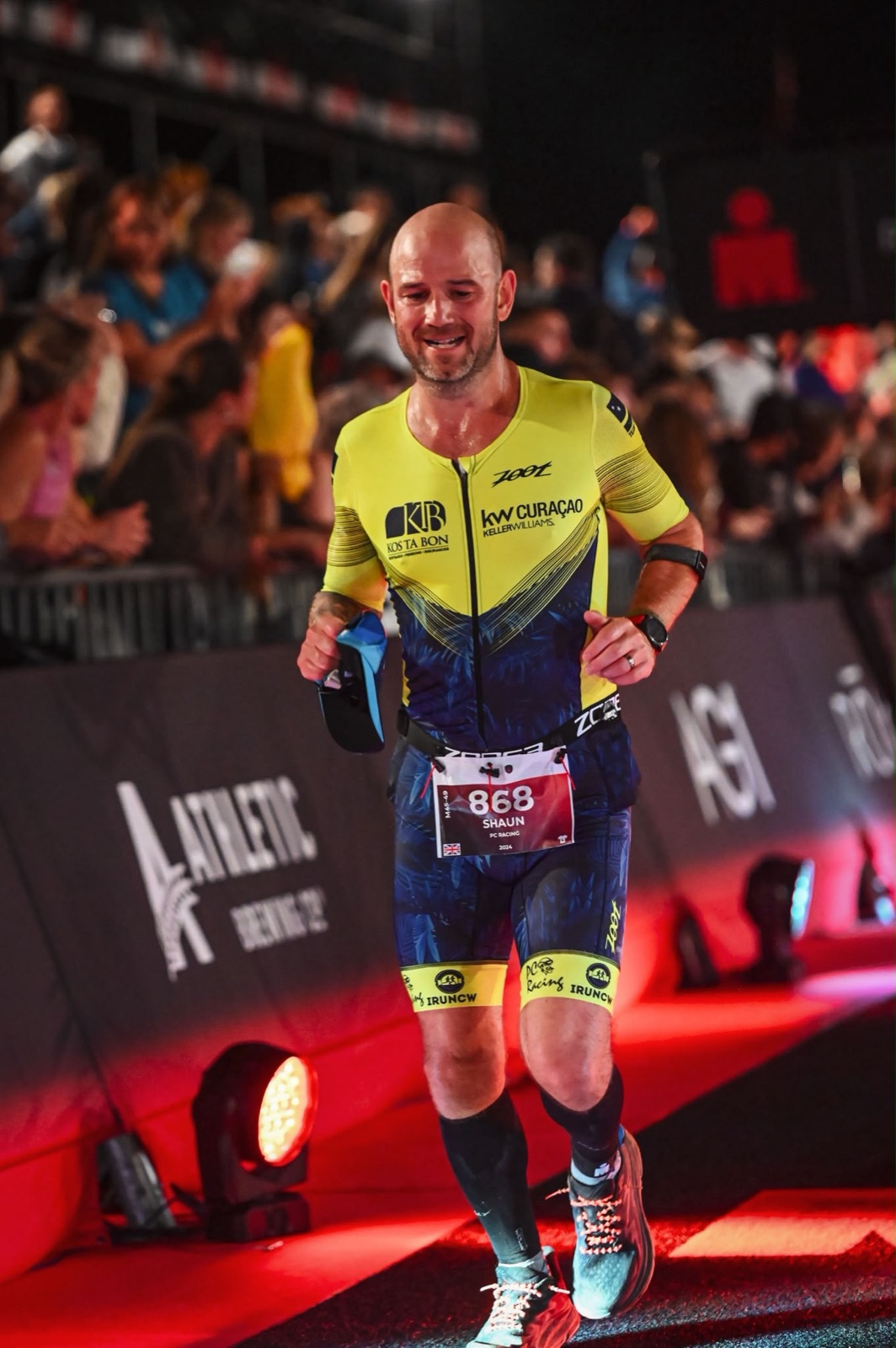
My experience is that anxiety has not simply gone away. I have become better at managing it. Other people’s experiences and recovery will look different.
That distinction matters because it would be easy to tell a story that ends at an Ironman finish line and makes everything afterwards sound straightforward.
Training and racing still bring challenges. Progress can include a difficult session, a setback or an attempt that does not go to plan. Those experiences deserve reflection, rather than becoming evidence that you are incapable.
Perhaps the goal was too big for that day. Perhaps you needed more preparation or support. Perhaps getting started was already a meaningful step.
Being prepared to fail means accepting that learning involves uncertainty. It also means giving yourself permission to adjust the goal, recover and try again. You do not have to turn every difficult day into a test of character.
Making training supportive
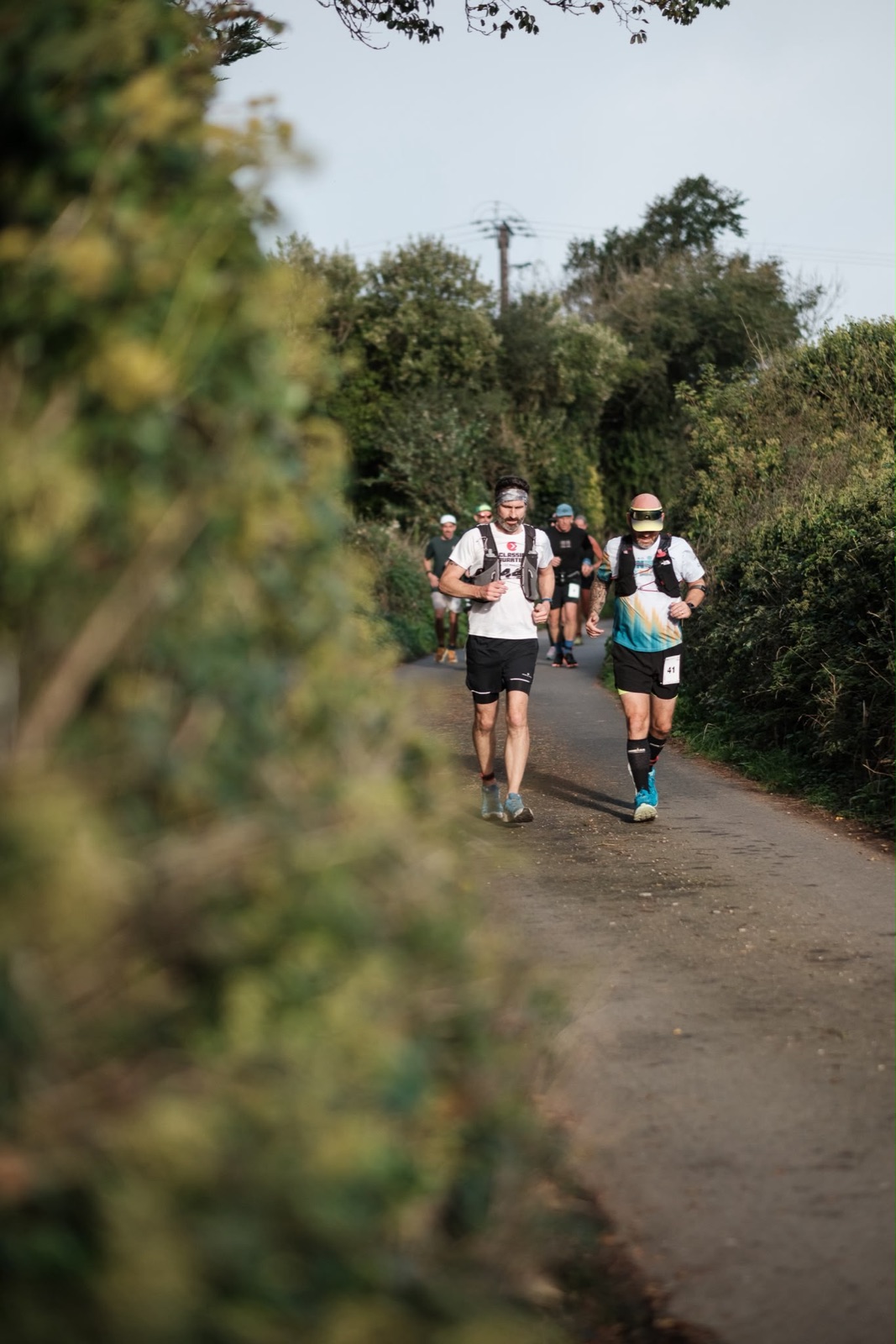
As a coach with Precision Coaching, the message I want to share is that you may be stronger than you know. Sometimes it takes a manageable challenge to discover that strength.
If you are starting out, give yourself room to build:
- Choose a first step that feels achievable from where you are today.
- Build familiarity before adding more distance or pressure.
- Find people with whom you feel comfortable being honest.
- Recognise progress in confidence and enjoyment, as well as pace and distance.
- Make room for rest and adjust your training when life demands it.
You do not need to achieve everything straight away. Training should fit into a life that supports your wellbeing.
Exercise can be part of managing anxiety, alongside other support. If anxiety is affecting your daily life or you are struggling to cope, speak to your GP. The NHS also advises against using alcohol to relieve anxiety because it can contribute to poorer mental health. Find NHS advice and support for anxiety ↗.
You are stronger than you know
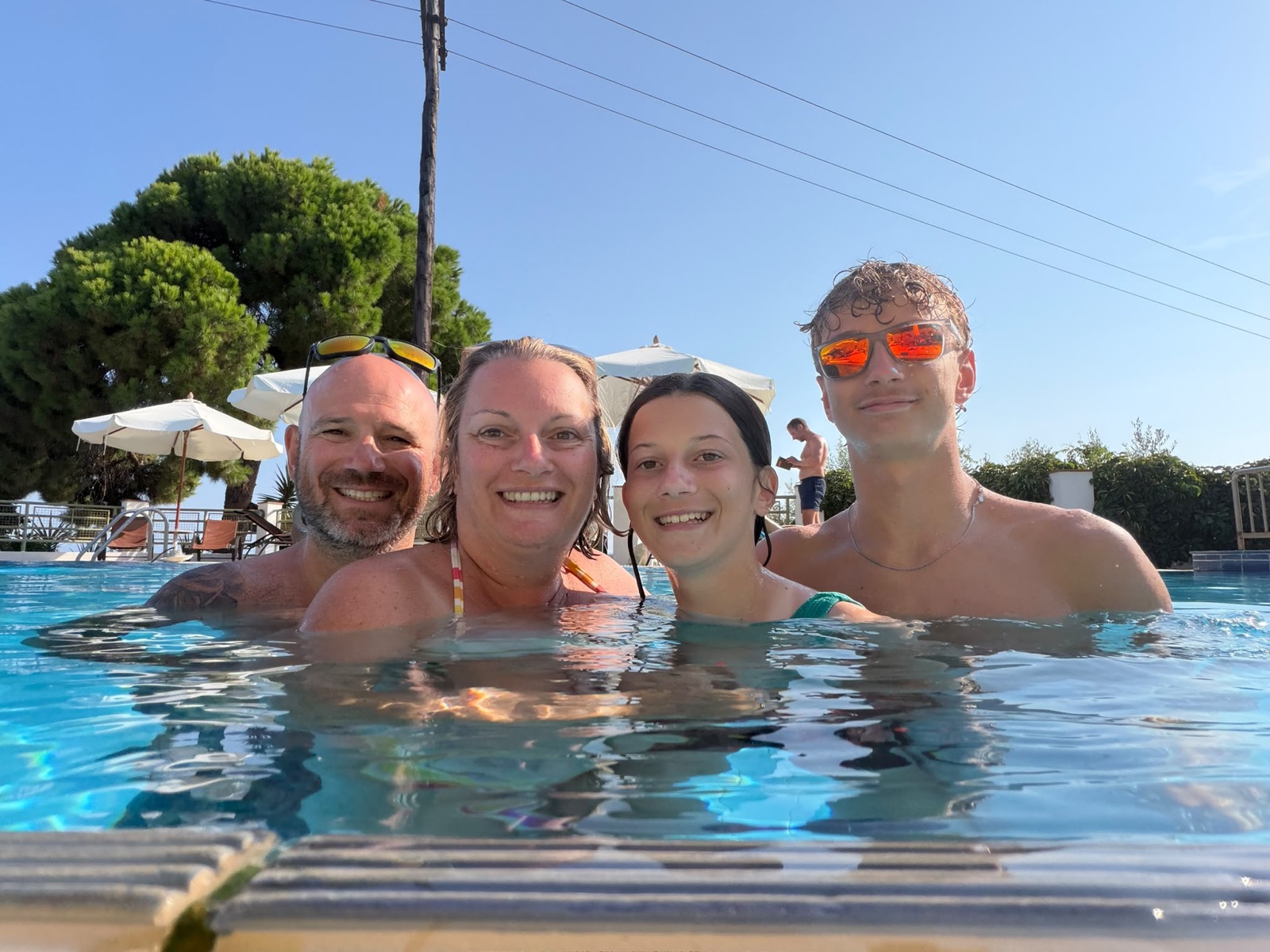
Triathlon has helped me discover that feeling anxious and being capable can exist at the same time.
I still have to manage the swim. I still have difficult moments. But I also have experiences that remind me of what is possible.
My first Ironman gave me a powerful reference point. The training, the people I met and the challenges along the way all contributed to it.
Whatever your starting point, allow yourself time. Be prepared for things to go wrong, ask for support and take something useful from the experience.
Your next step does not have to be a finish line. It might simply be giving yourself the chance to begin.